
Exploring the Timeless Heritage of Kolkata: A Journey Through Its Historic Landmarks
Kolkata, often referred to as the "City of Joy," is a vibrant tapestry woven with threads of history, culture, and architecture. From colonial-era edifices to spiritual sanctuaries, the city offers a plethora of heritage sites that narrate tales of its illustrious past. Let's embark on a journey to explore some of Kolkata's most iconic historical landmarks.
🏛️ Victoria Memorial: A Tribute to the British Era
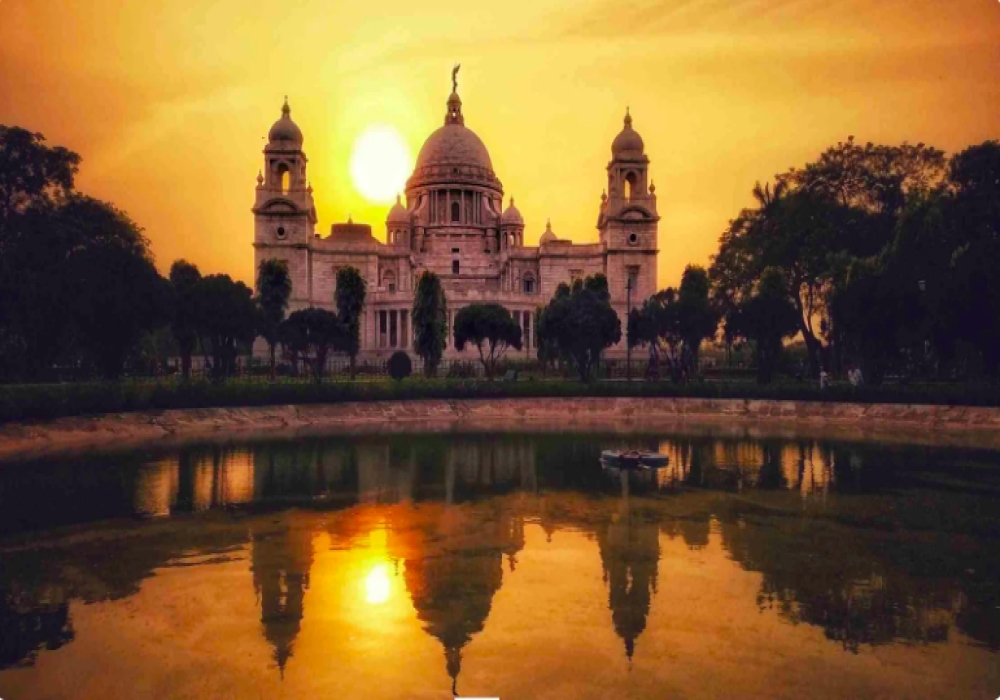
Standing majestically in the heart of Kolkata, the Victoria Memorial is a symbol of the city's colonial legacy. Constructed between 1906 and 1921, this white marble edifice was built in memory of Queen Victoria. Today, it houses a museum with an extensive collection of artefacts, paintings, and manuscripts from the British period, offering visitors a glimpse into India's colonial history. (Kenilworth Hotels, Holidify, TravelTriangle.com)
🌉 Howrah Bridge: The Engineering Marvel
Connecting Kolkata to Howrah across the Hooghly River, the Howrah Bridge, also known as Rabindra Setu, is an iconic symbol of the city. Inaugurated in 1943, this cantilever bridge is one of the busiest in the world, handling over 100,000 vehicles daily. Its unique construction, devoid of nuts and bolts, stands as a testament to engineering prowess. (TravelTriangle.com, Hotel Polo Towers)
🏰 Marble Palace: A Glimpse into Aristocratic Grandeur
Nestled in North Kolkata, the Marble Palace is a 19th-century mansion renowned for its neoclassical architecture and opulent interiors. Built by Raja Rajendra Mullick, a wealthy Bengali merchant, the palace houses an eclectic collection of Western sculptures, Victorian furniture, and paintings by European and Indian artists. (Outlook Money, TravelTriangle.com)
🏠 Jorasanko Thakur Bari: The Legacy of Rabindranath Tagore
The ancestral home of Nobel Laureate Rabindranath Tagore, Jorasanko Thakur Bari is a significant cultural landmark. Now converted into a museum, it showcases Tagore's life, works, and contributions to literature and art. Visitors can explore galleries displaying manuscripts, photographs, and personal artifacts of the Tagore family. (TravelTriangle.com, Hotel Polo Towers)
🕍 Dakshineswar Kali Temple: A Spiritual Haven
Situated on the eastern bank of the Hooghly River, the Dakshineswar Kali Temple is a revered Hindu temple dedicated to Goddess Kali. Built in 1855 by Rani Rashmoni, the temple is associated with the mystic Ramakrishna Paramahamsa. Its distinctive nine-spired architecture and serene ambience attract pilgrims and tourists alike. (Kenilworth Hotels, Indiatimes)
🏛️ Fort William: The Colonial Stronghold
Constructed in 1696, Fort William is a fort built during the early years of British rule in India. Located on the eastern banks of the Hooghly River, it served as a strategic military base. Today, it functions as the headquarters of the Eastern Command of the Indian Army and is not open to the general public, but its historical significance remains paramount. (TravelTriangle.com, Kenilworth Hotels)
🏛️ Indian Museum: A Treasure Trove of History
Established in 1814, the Indian Museum in Kolkata is the oldest and largest museum in India. It boasts an extensive collection of artifacts, including ancient sculptures, coins, fossils, and paintings. The museum offers insights into India's rich cultural and historical heritage, making it a must-visit for history enthusiasts. (Hotel Polo Towers, TravelTriangle.com)
🏛️ St. Paul's Cathedral: A Gothic Revival Masterpiece
St. Paul's Cathedral, completed in 1847, is an Anglican cathedral known for its Gothic Revival architecture. With its pointed arches, stained glass windows, and towering spire, the cathedral stands as a serene place of worship and a testament to colonial-era architecture. (Wanderlog)
🏛️ Belur Math: A Symbol of Religious Harmony
Located on the western bank of the Hooghly River, Belur Math is the headquarters of the Ramakrishna Math and Mission. Founded by Swami Vivekananda, the temple's architecture is notable for blending Hindu, Christian, and Islamic motifs, symbolising the unity of all religions. (TravelTriangle.com)
🏛️ Writers' Building: The Administrative Legacy
The Writers' Building, originally constructed in 1777, served as the office for writers (junior clerks) of the British East India Company. Over time, it became the seat of the Bengal Secretariat. The building's Greco-Roman architecture and historical significance make it a prominent landmark in Kolkata.
Kolkata's heritage is a rich mosaic of history, culture, and architecture. Each landmark tells a unique story, offering a window into the city's multifaceted past. Exploring these sites provides not just a journey through time but also an appreciation for the diverse influences that have shaped Kolkata into the vibrant metropolis it is today.
For a visual journey through Kolkata's heritage, consider exploring the following video:
Kolkata: A Journey Through Time
Latest Posts
-

Green Living: Top Indoor Plant Trends for 2025
05 Apr, 2022
-

-